1. Walk the grounds
For outdoor spaces, the crew walks fence lines, planters, corners and bushes where needles collect.
East Cleveland, OH · Cuyahoga County
Worried about what is hiding in drawers, bags or a vacant building in East Cleveland? Call (877) 812-4220. Crews check the whole space, collect sharps with tools and clean up afterward.
If anyone is in danger, call 911 first. For a suicide crisis, call or text 988.
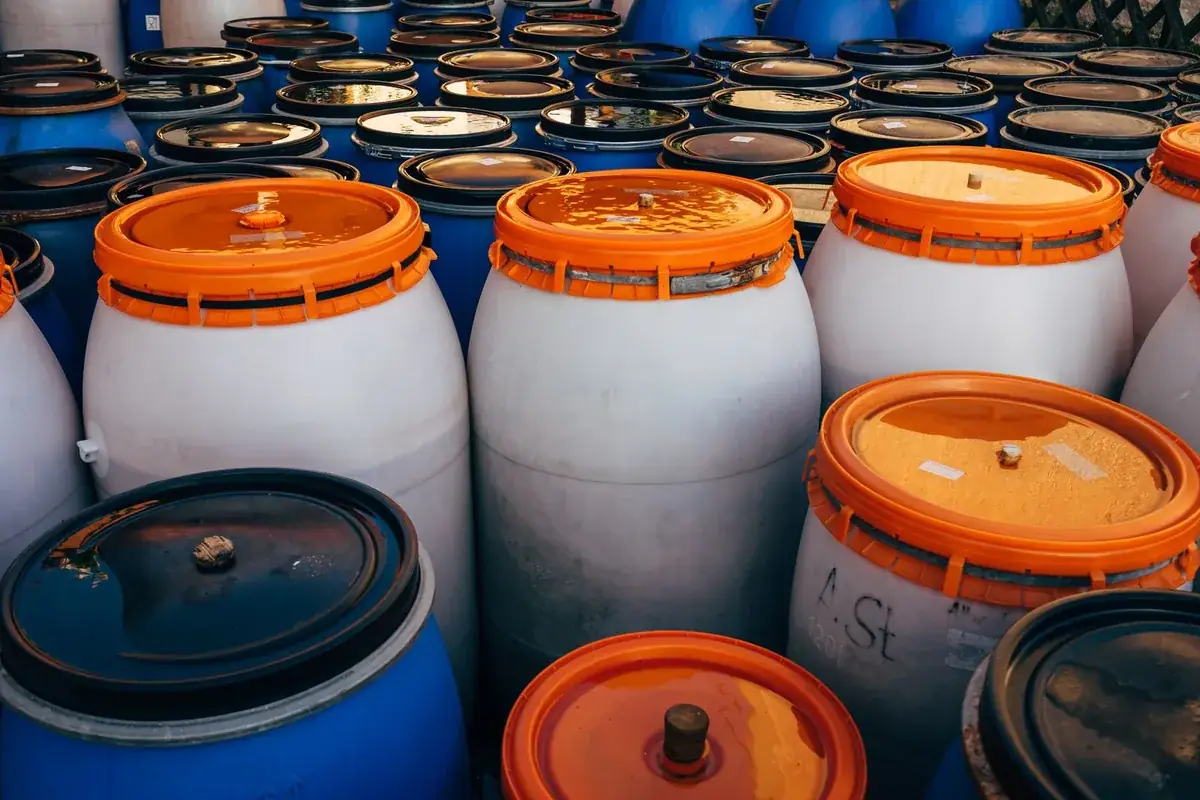
Syringe cleanup removes used needles from places where they should not be and treats the surfaces they touched. The sharps are collected, sealed and hauled away as regulated medical waste.
If you find syringes while clearing a loved one's home in East Cleveland, you can call East Cleveland Biohazard Cleanup Help. Crews search drawers, bags and closets, and take care of the sharps so relatives in Cuyahoga County never have to.
With roughly 63% of East Cleveland households renting, turnover is common and units are checked between tenants. After a needle stick, wash with soap and water and get medical care. UH Cleveland Medical Center in Cleveland is the closest emergency room to East Cleveland.
What needle & sharps cleanup covers:
For outdoor spaces, the crew walks fence lines, planters, corners and bushes where needles collect.
The team moves in a set pattern so no section is skipped, since a single missed needle is still a hazard.
Needles, syringes and any other sharps are gathered and sealed as they are found.
Hard surfaces are cleaned with EPA-registered products. Soaked fabrics may be removed and bagged.
The cost of needle & sharps cleanup in East Cleveland, OH depends on the amount of material, how it is packed and how it is hauled.
Disposal as regulated medical waste is part of the work, and treatment facilities charge by container or weight.
| Type of job | Typical range |
|---|
Estimates only, not a quote. Sources: . Price drivers include number of items, where they are found, whether a sweep of a large area is needed, waste disposal. Call (877) 812-4220 to talk through the job.
Some cities and counties collect found needles from public land at no charge, and many do not. Availability varies. The local health department or public works office can say what exists where you live, and a cleanup team can help with private property.
In many cases the person who calls does not need to be at the property. Ask the team how access and keys can be arranged. Many teams can also arrive in an unmarked vehicle, so ask about that if privacy matters to you.
Yes. Insulin pen needles, lancets and similar small devices are sharps, even though they are used for health care. They should go into a rigid container, never loose into trash.
A used needle can carry bloodborne pathogens such as hepatitis B, hepatitis C and HIV. The chance of infection from one stick depends on many things, and a doctor can explain what applies. Get medical care promptly after any stick or cut.
Safer options exist. Many cities and health departments have programs for found needles and may give instructions or send someone. If you are unsure, do not touch it. Leaving a needle in place and keeping others away is safer than risking a stick.
A local biohazard cleanup team can search the area and remove needles and other sharps. Some cities and health departments also help with found needles on public land. For a single needle outdoors, the health department is a good first call, and for anything bigger, a cleanup team.
Crews work without judgment and focus on making the space safe again.
Call (877) 812-4220